
Posts
How to Break Through Political Indoctrination with Antithetical Characters and Disinterest

October 3, 2011
Whenever you want to counter the indoctrinated thinking and rigid beliefs, try to find an antithetical character to support your position. For example, in an anti-smoking campaign, recruit a heavy-smoker favoring smoking restrictions or a tobacco sales tax increase. In an anti-war campaign, a former (or even better a current) military officer opposing a war
Read more: How to Break Through Political Indoctrination with Antithetical Characters and DisinterestThe Weak Evidence Effect: Why Adding Weak Favorable Reasons Undermines Effective Refutation

July 25, 2011
When refuting manipulative arguments or debunking false beliefs, it is best to avoid using weakly favorable reasons. As an illustration, consider two passages used in a 2011 study titled “When Good Evidence Goes Bad: The Weak Evidence Effect in Judgment and Decision-Making.” Participants read one of these passages: Widespread use of hybrid and electric cars
Read more: The Weak Evidence Effect: Why Adding Weak Favorable Reasons Undermines Effective RefutationPersuasive Refutation: Strike But a Few Blows
July 11, 2011
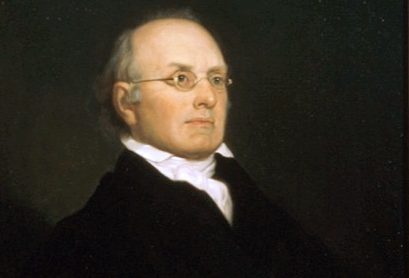
Joseph Story, an Associate Justice of the US Supreme Court in the first half of the nineteenth century, may be somewhat known to American lawyers, completely unknown to non-American lawyers, and totally irrelevant to everyone else. And yet, his pithy advice on crafting effective arguments, such as “strike but a few blows, but strike them to
Read more: Persuasive Refutation: Strike But a Few Blows