
Anger is one of the most potent emotions. In Aristotle’s Rhetoric, anger comes first, followed by other emotions that can be used in attempts to persuade people.
If properly and ethically channeled, anger can be a great countermeasure against lying and disinformation. In particular, anger can be effectively used to deter lying and other blatant manipulative practices with a simple technique: redirecting the lies into anger by reframing the lies as proof that the liars don’t respect your audience and think so little of them.
Channeling Belittlement in Anti-Tobacco Campaign
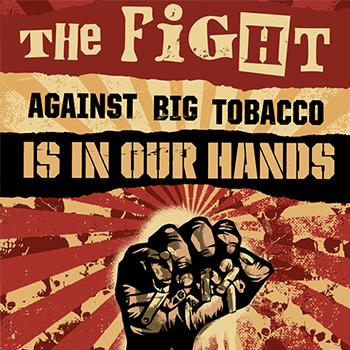
A great example of how this can be done comes from a 1994 advocacy campaign against tobacco companies.
California Department of Health Services, working with L.A. ad agency Asher/Gould, made anti-smoking TV commercials. One of the ads, called “Nicotine Sound Bites”, showed actual footage of a Congressional hearing where the chief executives of the four major tobacco companies testified under oath that nicotine is not addictive. The ad ends with the question: “Do they think we’re stupid?”
The effect of the ad was plainly to arouse anger in the public, by implying that the blatant lying of the tobacco executives was indicative that they belittled the public and thought so little of them.
According to the authors of Tobacco War: Inside the California Battles, public health advocates loved the ad and the tobacco industry went berserk. Yet, the ad did not have a chance to hit tobacco companies significantly: it was pulled off the air in less than three weeks when R.J. Reynolds threatened lawsuits.
Perhaps the tobacco industry’s response indicates that they themselves were afraid that the ad might be more effective than they could afford it to be.